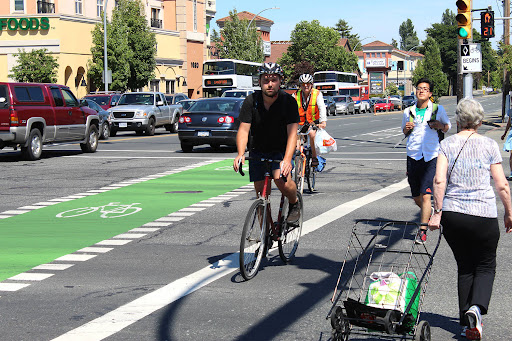
The impact of walkability and bikeability on property value and community development
Walkability and bikeability are two critical factors that are becoming increasingly important in the real estate market. Properties that are located in walkable and bikeable communities tend to have higher values and are in higher demand, particularly among younger generations. In this blog post, we will explore the impact of walkability and bikeability on property values and community development.
Walkability and Property Value
Walkability refers to how easy it is to walk around a neighborhood. Walkability scores are calculated based on factors such as access to public transportation, proximity to amenities such as grocery stores and restaurants, and the quality of the sidewalks and pedestrian infrastructure.
Studies have shown that walkability has a significant positive impact on property values. A study by the Brookings Institution found that homes in walkable neighborhoods command a price premium of up to $300 per square foot. In another study, the Urban Land Institute found that walkability was one of the top factors driving demand for real estate.
There are several reasons why walkability is so important for property values. First, people are willing to pay more to live in neighborhoods where they can easily walk to amenities such as restaurants, shops, and entertainment. Second, walkable neighborhoods tend to have less traffic, which can make them quieter and more peaceful. Third, walkability is associated with a healthier lifestyle, which can be attractive to many homebuyers.
Bikeability and Property Value
Bikeability refers to how easy it is to bike around a neighborhood. Bikeability scores are calculated based on factors such as the quality of bike lanes and paths, access to bike racks and storage, and the availability of bike-sharing programs.
Like walkability, bikeability has a positive impact on property values. A study by Portland State University found that homes in bikeable neighborhoods command a price premium of up to $1,000. The study also found that homes within a quarter-mile of a bike lane or trail are worth 11% more than homes that are farther away.
There are several reasons why bikeability is important for property values. First, like walkability, people are willing to pay more to live in neighborhoods where they can easily bike to amenities. Second, biking is a healthy and environmentally-friendly way to get around, which can be attractive to many homebuyers. Third, bikeable neighborhoods tend to have less traffic, which can make them safer and more pleasant to live in.
Community Development
Walkability and bikeability also have a positive impact on community development. Walkable and bikeable neighborhoods tend to have more active, engaged residents who are more likely to participate in community events and support local businesses. In addition, walkable and bikeable neighborhoods tend to be more environmentally-friendly, which can contribute to a higher quality of life for residents.
Walkable and bikeable neighborhoods can also have a positive impact on public health. Studies have shown that people who live in walkable and bikeable communities tend to be more physically active, which can reduce the risk of obesity, heart disease, and other chronic conditions.
In conclusion, walkability and bikeability are important factors to consider when buying or investing in property. Properties located in walkable and bikeable neighborhoods tend to have higher values and are in higher demand. In addition, walkable and bikeable neighborhoods can have a positive impact on community development, public health, and the environment. As such, it is important to consider walkability and bikeability when evaluating potential real estate investments.